
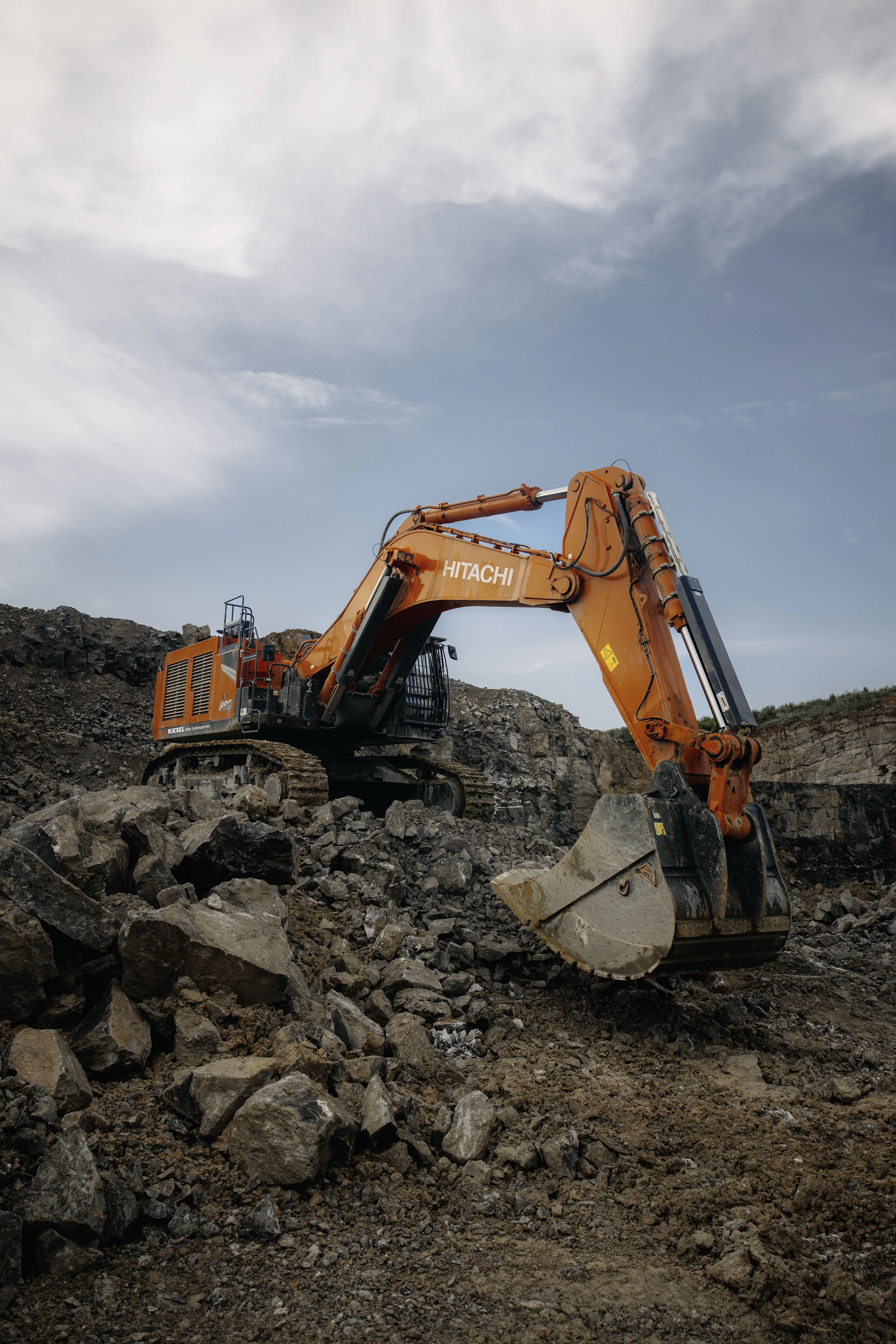
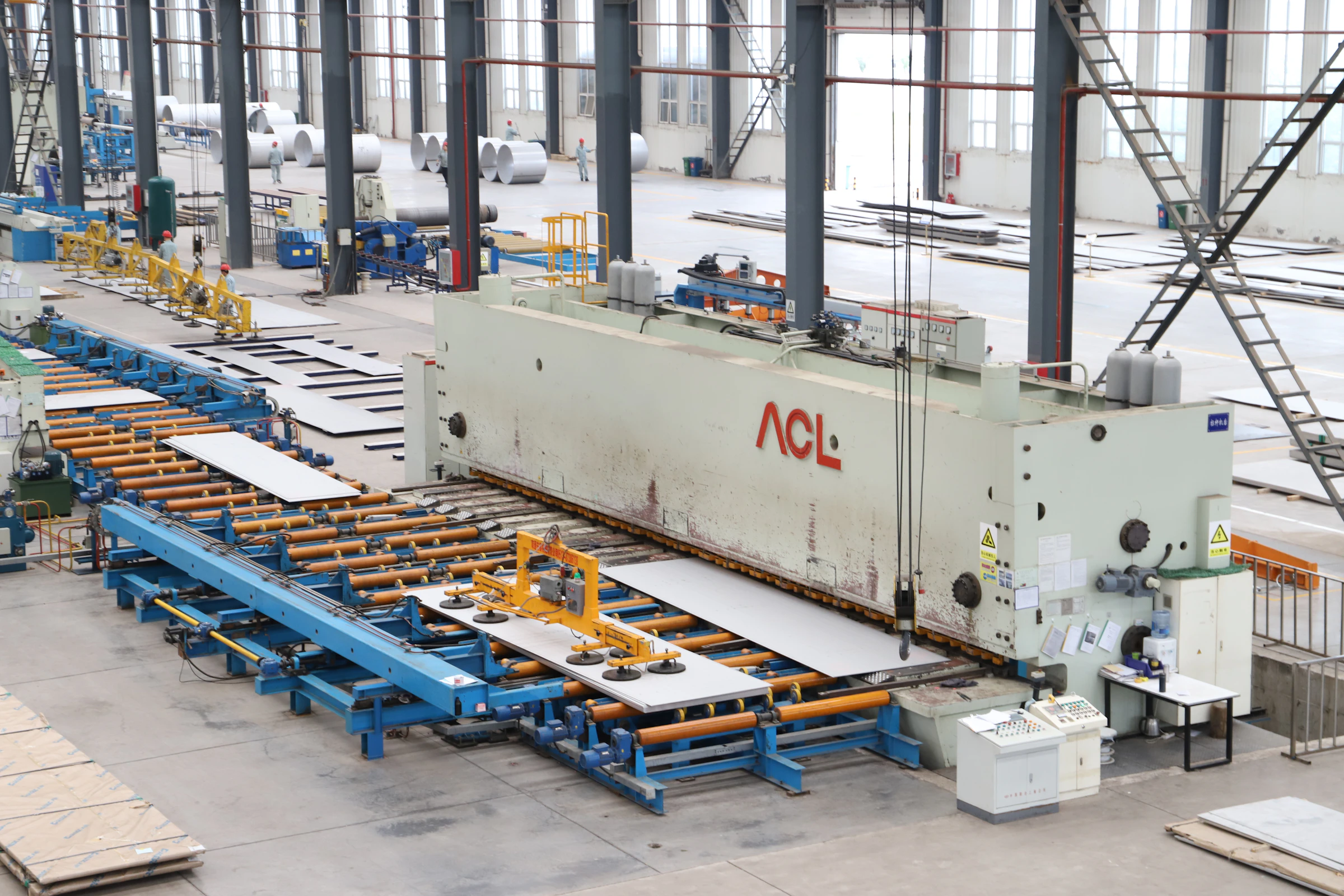
Heat & dust
Cooling capacity, filtration, sealing and maintenance intervals need to suit exposed working conditions.
Sectors / operating context
Rated capacity alone is not enough. Ground, dust, heat, duty cycle, material, operator needs and access to parts all shape what will work in practice.
Application-led decisions
A useful equipment comparison reflects the work environment as closely as the data sheet.
Sectors we are set up to consider
Local operating context
Equipment is more useful when its configuration anticipates the actual environment. These inputs help shape a better enquiry for operations in Zambia and the wider region.
Cooling capacity, filtration, sealing and maintenance intervals need to suit exposed working conditions.
Tyres, tracks, clearance, traction and stability depend on the surfaces and gradients the machine will face.
Transport dimensions, offloading arrangements and service access matter when sites are remote or roads are constrained.
Voltage, frequency, fuel quality and consumption expectations should be settled before equipment is selected.

Application questions
Simple site information can rule out an unsuitable machine before time is spent on a quotation.
Decision priorities
Capacity, configuration and working range should suit the repeated task, not only the peak task.
Service intervals, consumables, parts identification and maintenance access influence operating continuity.
Included attachments, tools, commissioning needs and exclusions belong in the commercial comparison.
Dimensions, weight, packing, lifting points and destination access affect the practical delivery route.